
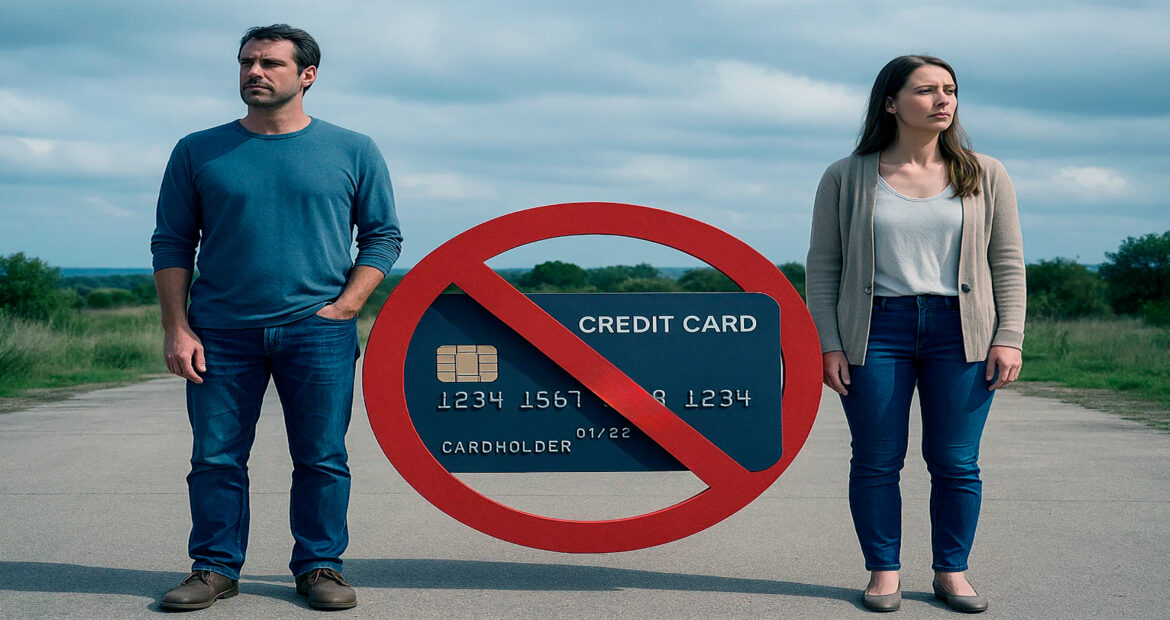
A Future Without Credit: Is It Possible To Move Away From A Lifestyle Of Living In Debt? Credit has become so woven into daily life that imagining a future without it feels almost impossible. Mortgages, car loans, credit cards, and installment…
The Global Credit Crunch: How Tightening Policies Affect Consumers and Investors
Over the last several years, the world has entered a period where credit—not long ago cheap, abundant, and easily accessible—has become increasingly difficult to obtain.
Central banks have tightened lending rules, raised interest rates, and adopted stricter oversight policies to control inflation and cool overheated markets. While these policies are intended to stabilize economies, they are also creating a profound ripple effect on everyday consumers, small business owners, and investors across the globe.
This phenomenon, commonly referred to as the global credit crunch, is not just a technical economic event. It’s something people can feel in their bank accounts, borrowing limits, and long-term financial plans.
For consumers dealing with damaged credit or past financial challenges, tightening policies can make recovery even harder. In fact, more people have recently begun searching for guidance on issues like
Lela Mae Portfolio Management Group collections, reflecting a broader struggle to stay financially afloat when credit standards rise.
But what exactly is happening, and why does it matter so much? And more importantly—how does this environment shape the choices and opportunities available to individuals and investors right now?
This article breaks down the global credit crunch in simple human terms, examines how tightening financial policies change the economic landscape, and offers insights for navigating the new financial reality.
What Exactly Is a Global Credit Crunch?
A credit crunch occurs when lending becomes restricted, expensive, or slow. Banks may have the capital to lend, but they tighten their internal rules, raise qualification standards, or reduce exposure to risk.
This means fewer loans approved, smaller credit limits, and higher interest rates.
Unlike normal credit cycles, a global crunch affects multiple economies at the same time. Today’s world is deeply interconnected: changes in the U.S. Federal Reserve, the European Central Bank, or even a major Asian financial regulator can influence borrowing conditions worldwide.
Several factors triggered the current tightening:
- Rapid post-pandemic inflation
- Aggressive rate hikes by central banks
- Concerns over government debt levels
- Weakness in the commercial real estate sector
- Global geopolitical instability
Each of these issues alone can pressure financial systems. Combined, they create a cautious, risk-averse mindset across global banks and institutions.

How Tighter Credit Affects Everyday Consumers
For most people, the first place they feel a credit crunch is in their everyday financial interactions. That includes applying for a credit card, refinancing a mortgage, or even attempting to start a small business.
1. Higher Borrowing Costs
Interest rates have risen to levels not seen in over a decade. A loan that might have cost 4% interest now costs 7–8% or more. That difference can add tens of thousands of dollars to a mortgage or hundreds per month on a car loan.
2. Lower Approval Rates
Even consumers with decent credit scores face more scrutiny. Lenders are no longer approving borderline applications—they want borrowers with stable income, low debt-to-income ratios, and minimal risk.
Those with fair or poor credit may find the door to traditional lending nearly closed.
3. More Credit Reporting Pressure
During a credit crunch, lenders rely even more heavily on credit reports to judge risk. Collections accounts or charge-offs that may have been overlooked in the past suddenly become major obstacles.
This is one reason online discussions about dealing with debt collectors and repairing credit have grown dramatically in the last two years.
4. A Shift From Borrowing to Budgeting
As borrowing becomes harder, consumers are forced to shift habits—cutting discretionary spending, prioritizing essential purchases, and in many cases delaying major life milestones like buying a home or starting a family.
How Investors Are Impacted
Investors experience the credit crunch in a different, though equally powerful, way. Credit is the backbone of growth in nearly every major market—real estate, equities, bonds, and even crypto ecosystems rely on available liquidity.
When that liquidity dries up, investors must adjust quickly.
1. Market Volatility Increases
When financing becomes more expensive, institutional investors reduce leverage. Hedge funds and large asset managers shrink positions, leading to unpredictable price swings in both stocks and bonds.
2. Corporate Borrowing Becomes Costly
Companies depend on borrowing to fund operations, research, payroll, and expansion. In a tight credit environment, they delay projects, freeze hiring, or cut spending. This affects shareholders and employees alike.
3. Real Estate Takes a Major Hit
Commercial real estate is under significant pressure. High interest rates, remote-work trends, and declining occupancy have created a perfect storm. Investors holding office buildings or retail spaces face decreased valuations and rising financing costs.
4. Flight to Safety
Investors often retreat to safer assets such as treasury bonds, gold, or cash equivalents. This shift slows down capital circulation and can even deepen the credit crunch further.
A Quick Comparison of Credit Conditions
To illustrate how lending conditions have changed, here’s a simple comparison of typical consumer credit metrics before and during the credit tightening cycle:
| Metric | Before Tightening (2018-2020) | During Credit Crunch (2023-2025) |
|---|---|---|
| Ave. Credit Card APR | 15–18% | 23–29% |
| Mortgage Rates | 2.8–4.0% | 6.5–8.2% |
| Auto Loan Approvals | ~75% approval | ~55% approval |
| Small Business Loan Time | 2–3 weeks | 6–12 weeks |
These shifts may seem technical, but they represent a fundamental change in how the financial world operates.
Why Governments Choose Tightening Policies
The natural question is: why would governments allow or even encourage such restrictive conditions? The answer lies in the balance between inflation and growth.
When inflation rises too quickly, it erodes purchasing power and destabilizes financial systems. To slow inflation, governments and central banks intentionally make borrowing more expensive.
Higher interest rates cool demand, reduce excessive speculation, and signal markets to stabilize.
In other words: tightening is painful by design.
The Trade-Off
Policymakers choose between two imperfect outcomes:
- A fast-growing economy plagued by inflation
- A slower economy with controlled prices and stronger long-term stability
In the current global environment, most nations have chosen option #2.
How Consumers Can Navigate the Crunch
Despite the challenges, individuals can take meaningful steps to protect themselves and make smart decisions during a credit tightening cycle.
1. Strengthen Your Credit Profile
With lenders becoming more selective, improving your credit is one of the most effective ways to regain access to favorable borrowing options. Paying down revolving debt, disputing errors,
and resolving old collections accounts can make a noticeable difference.
2. Build an Emergency Fund
Liquidity is power during uncertain times. Having savings allows you to avoid high-interest credit cards and gives you more leverage when negotiating debt or managing unexpected expenses.
3. Be Strategic About New Debt
Not all borrowing is bad—but every new loan should be purposeful. Consider whether the purchase generates long-term value or simply creates new monthly obligations.
4. Compare Lenders Aggressively
Not all lenders respond to a credit crunch equally. Some tighten heavily, while others look for new customers and offer more competitive rates. Shopping around can save you thousands.
How Investors Can Adapt
Investors also need to embrace new strategies. The key is understanding that tight credit doesn’t eliminate opportunities—it simply changes where those opportunities are found.
1. Reduce Exposure to Overleveraged Assets
Anything dependent on cheap credit—certain real estate markets, high-growth tech stocks, or speculative investments—may remain volatile. This doesn’t mean abandoning them, but it does mean reducing unnecessary risk.
2. Consider Defensive Sectors
Industries such as healthcare, utilities, and essential consumer goods often perform well in tight credit environments because demand remains consistent.
3. Explore Fixed-Income Opportunities
Higher interest rates mean bonds, treasury bills, and other fixed-income products offer better yields than in previous years. Conservative investors can benefit significantly.
4. Maintain a Long-Term Perspective
Credit cycles eventually shift. Today’s restrictions will loosen in the future, creating powerful entry points. Smart investors prepare—not panic.
Final Thoughts
The global credit crunch is more than a headline—it’s a lived experience for millions of consumers and investors. Tightening policies create real pressure, but they also encourage disciplined financial habits, thoughtful investment strategies, and long-term planning.
Understanding the forces driving this environment helps individuals make informed decisions instead of reacting out of stress or uncertainty. While the financial world is changing quickly, those who adapt early will be the ones best positioned for future recovery and growth.
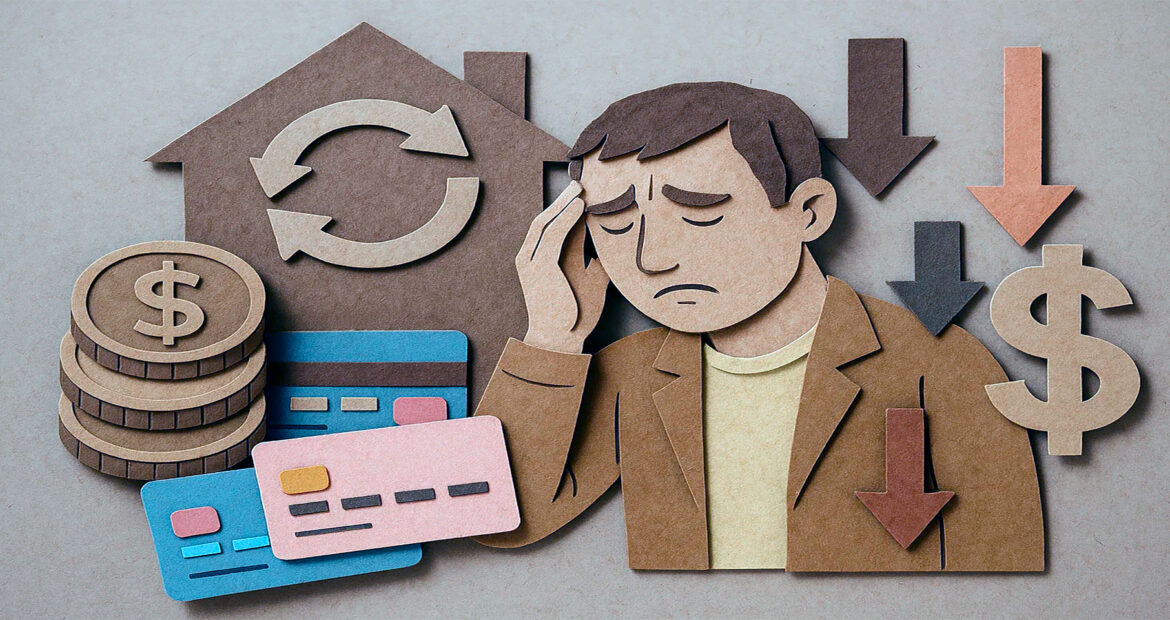
Debt Spiral Warning: Refinancing as a Symptom of Oversaturation
Refinancing Customers as a Symptom of Credit Oversaturation When banks and microfinance organizations aggressively promote refinancing, it often signals that the credit market has reached a point of oversaturation. Instead of attracting new, solvent borrowers, lenders recycle old debt into new…
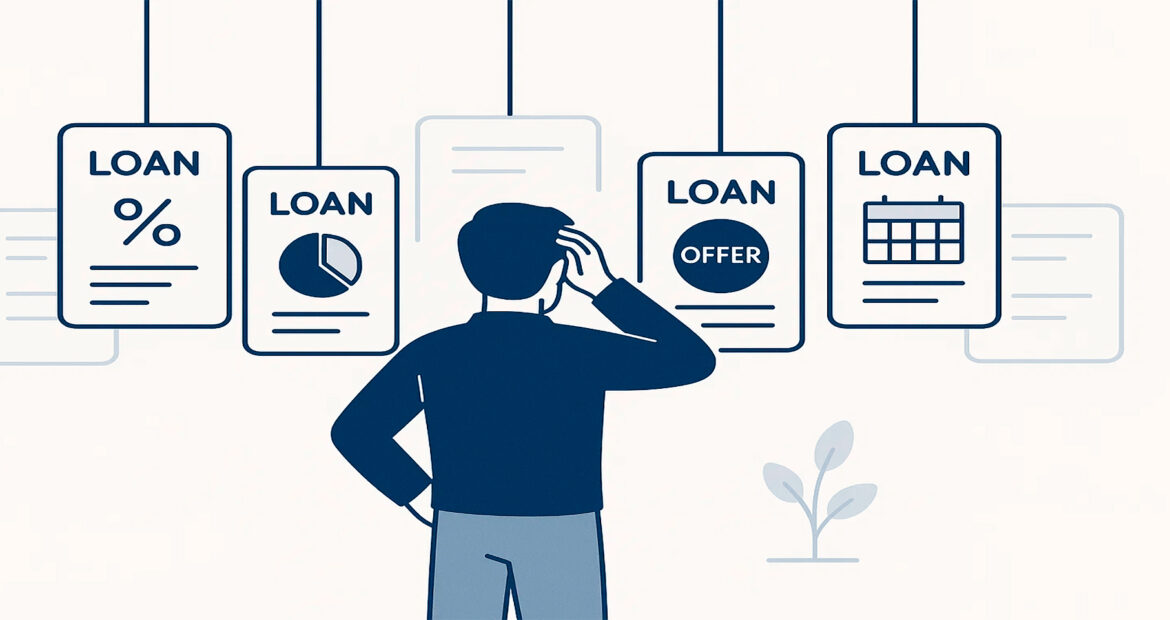
Too Many Loans, Too Much Confusion: The Credit Choice Trap
The Paradox Of Choice: When Too Many Loans Are A Bad Thing In theory, more choice should make life easier. If customers can pick from dozens of loan products, they should be able to find one that fits perfectly. Yet, in…

Debt-Funded Gold Investments: Smart Hedge or Hidden Trap?
When Is It Profitable to Invest Borrowed Funds in Physical Gold? Physical gold—bars, bullion, and coins—remains one of the most reliable assets when uncertainty dominates the financial world. But adding a layer of borrowed funds complicates the calculation. Unlike saving to…
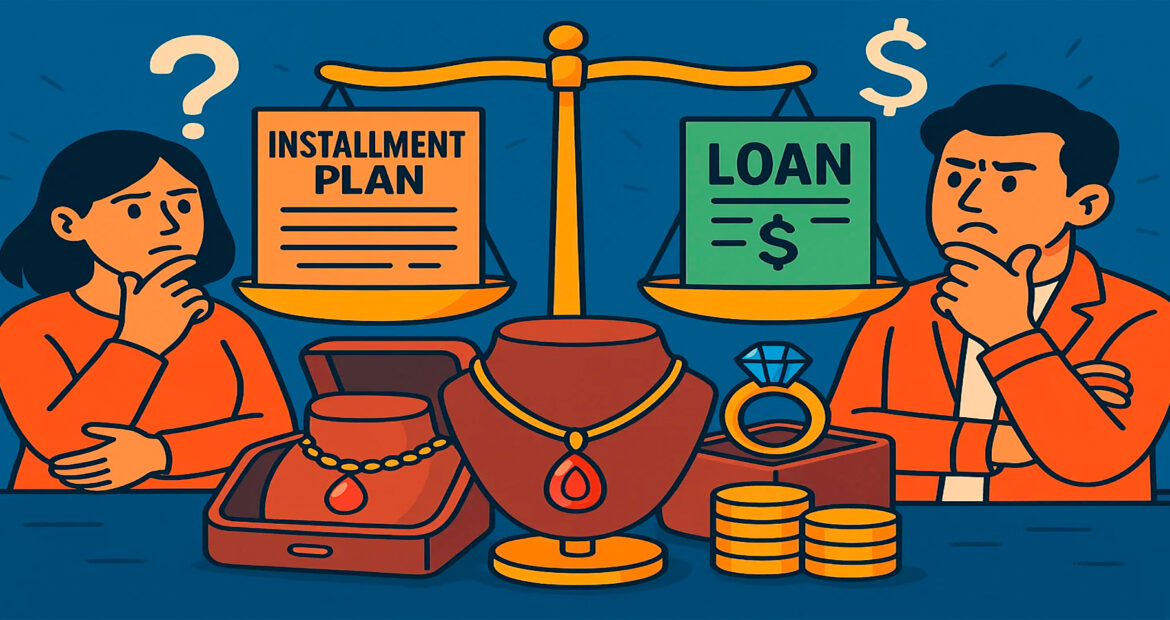
Which Is Smarter for Jewellery Collections: Loans or Installments?
Installment Plans Vs. Loans: Which Is More Profitable When Purchasing Jewellery Collections Buying jewellery collections, whether for personal passion or investment, is rarely a small expense. Diamonds, sapphires, or gold sets often require a significant outlay, and most buyers turn to…

Credit Checks in Auctions: Protecting Sellers and Buyers
How Auction Houses Check the Creditworthiness of Participants Prestigious auctions involving art, rare gemstones, or luxury assets attract wealthy buyers, but reputation alone doesn’t guarantee payment. Auction houses need certainty that bidders can honor their commitments, especially when sales run into…
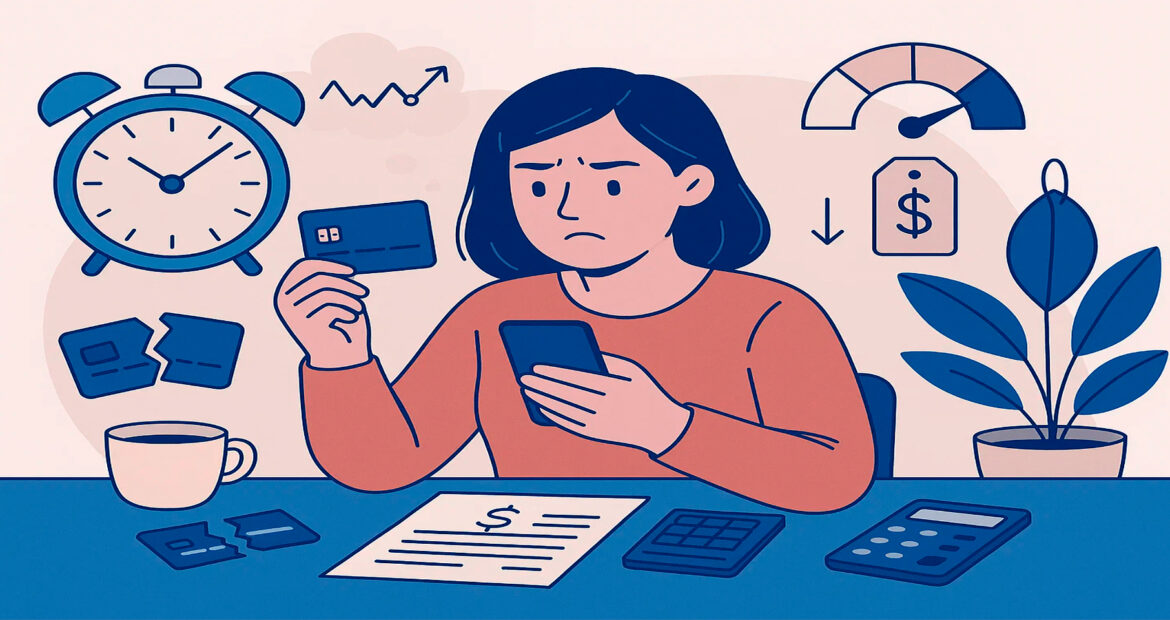
How to Cancel a Credit Card Without Damaging Your Credit
How To Close A Credit Card And Not Stay In Debt Closing a credit card sounds simple: you call the bank, request cancellation, and move on. But the process is rarely that straightforward. If you shut down a card without handling…

How Monopolies Shape Markets: Gains and Hidden Costs
Monopolies and Their Role in the Economy: Pros and Cons Monopolies are often seen as villains of the market—giant corporations that dominate entire sectors and leave no room for competition. Yet their role in the economy is more complex. Some monopolies…

Land and Equipment at Agricultural Auctions: Key Insights
Agricultural Auctions: Buying And Selling Land And Equipment Across rural economies, auctions remain one of the most active ways to buy and sell farmland, tractors, and farming tools. They bring together sellers needing liquidity and buyers looking for opportunities, often creating…

How Auctions Can Generate Real Income for Buyers, Sellers, and Investors
How to Earn Money Through Auctions: Tips for Success Auctions are no longer just glamorous events for rare art or antique jewelry. They’ve expanded into online platforms, local sales, and global marketplaces covering everything from collectibles to real estate. For buyers,…